Rhinoplasty — commonly known as a « nose job » — is consistently ranked among the most requested cosmetic procedures worldwide. Whether the goal is to reshape the tip, reduce a hump, correct a deviated septum, or restore symmetry after an injury, this surgery touches on something deeply personal: the center of your face.
But deciding to have rhinoplasty is not a decision to take lightly. The preparation phase is just as important as the surgery itself. The more informed you are going in, the better your experience — and your result — will be. This guide walks you through everything you need to know before booking your procedure.
Understanding Rhinoplasty: What It Is (and What It Isn’t)
Rhinoplasty can be performed for aesthetic reasons, functional reasons (such as correcting breathing difficulties), or both at once. There are two main surgical techniques: open rhinoplasty, where a small incision is made across the columella (the strip of tissue between the nostrils), and closed rhinoplasty, where all incisions remain hidden inside the nose.
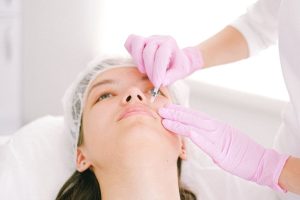
There is also non-surgical rhinoplasty, which uses dermal fillers to temporarily modify the nose’s shape. This option is less invasive and requires no downtime, but it cannot reduce the size of the nose or address functional issues — and results last only 12 to 18 months.
One point that cannot be overstated: rhinoplasty can improve your nose, but it cannot make it perfect. Surgery works within the limits of your anatomy, your skin type, and your healing process. Unrealistic expectations are the most common source of disappointment after this procedure.
Are You a Good Candidate?
From a physical standpoint, you should ideally have finished growing — which means facial bones should be fully developed. This typically occurs around age 16–17 for girls and 17–18 for boys. In adults, there is no upper age limit, provided your general health allows for general anesthesia.
From a psychological standpoint, the best candidates are those who:
- Are seeking improvement for themselves, not to please others or meet someone else’s standards
- Have stable mental health and realistic expectations
- Understand that results take time to fully appear (up to 12 months)
Rhinoplasty is not recommended for individuals with certain bleeding disorders, uncontrolled chronic conditions, or active skin infections around the nose. Your surgeon will review your complete medical history during the consultation.
Choosing the Right Surgeon
This step may be the most critical of all. In most countries, rhinoplasty should be performed by a board-certified plastic surgeon or a specialist in facial plastic surgery with proven experience in nasal procedures.
When evaluating a surgeon, ask the following questions:
- How many rhinoplasties do you perform per year?
- Can I see before-and-after photos of patients with a similar nose profile to mine?
- What technique do you use, and why is it appropriate for my case?
- What happens if I am not satisfied with the result?
Be cautious of red flags: unusually low prices, surgeons who rush you into booking, vague answers to your questions, or before-and-after photos that look too perfect. A good surgeon will take the time to explain the limits of what is achievable and will not promise you a specific outcome.
The Consultation: What to Expect
Your consultation is a two-way conversation. The surgeon will assess your nasal anatomy, take standardized photographs, and discuss your goals in detail. You should feel free to bring photos of noses you find appealing — not to replicate them, but to help communicate your aesthetic preferences.
Many surgeons now offer digital imaging or 3D simulation tools to give you a rough visual idea of potential results. These can be helpful, but treat them with caution: they are illustrative tools, not binding previews. The actual result depends on tissue behavior, healing, and surgical precision that no software can predict with certainty.
Plan for at least two consultations before making your final decision. A second opinion is always a good idea for an irreversible procedure.
Preparing for Surgery
Once you have chosen your surgeon and confirmed your date, the preparation phase begins — and it matters more than most patients realize.
Medical preparation includes:
- Stopping smoking at least 4 to 6 weeks before surgery (nicotine impairs healing and increases complication risks)
- Avoiding alcohol for at least one week before the procedure
- Stopping blood-thinning medications and supplements (aspirin, ibuprofen, vitamin E, fish oil) as directed by your surgeon — typically 10 to 14 days beforehand
- Completing all required pre-operative tests (blood work, ECG if required by your anesthesiologist)
Practical preparation includes:
- Arranging for someone to drive you home and stay with you for the first 24 hours
- Planning for at least 7 to 10 days off work
- Preparing your recovery space at home: elevated pillows, cold compresses, easy-to-eat foods, and entertainment within arm’s reach
- Avoiding scheduling flights or major events for at least 3 to 4 weeks post-surgery
Understanding the Procedure
Rhinoplasty is performed under general anesthesia and typically lasts between 1.5 and 3 hours, depending on the complexity of the procedure. It is usually performed as a day surgery or with one overnight hospital stay.
During the operation, your surgeon may work on the nasal bones (to narrow or straighten the bridge), the cartilage (to refine the tip or correct asymmetry), and sometimes the soft tissue. In cases involving a deviated septum, a septoplasty — correction of the internal partition — may be performed simultaneously.
After surgery, you will wake up with a nasal splint or cast on the outside of your nose, and possibly internal packing or soft splints inside the nostrils. Some swelling, bruising around the eyes, and mild discomfort are completely normal in the hours that follow.
The Recovery Timeline
Recovery from rhinoplasty is gradual, and understanding the timeline will help manage your expectations.
Days 1 to 7: This is the most uncomfortable phase. Expect significant swelling, bruising under the eyes, nasal congestion, and a general feeling of fatigue. Keep your head elevated at all times — even while sleeping. Avoid blowing your nose. The external splint is typically removed at the end of this first week, which is often when patients feel ready to be seen in public again.
Weeks 2 to 4: Most visible bruising fades, and swelling begins to subside. You may return to light activity, but contact sports, swimming, and anything that risks impact to the nose must be avoided for at least 6 weeks.
Months 3 to 12: This is the long game. The nose continues to refine slowly as deeper swelling resolves. The final result is generally considered stable at 12 months — though for thick-skinned patients, it may take longer. Be patient; do not judge the outcome too early.
Risks and Complications
Like any surgical procedure, rhinoplasty carries risks. The most common include temporary swelling, asymmetry during healing, and reduced nasal sensitivity. More serious but rarer complications include infection, poor scarring, or unsatisfactory aesthetic results requiring revision surgery.
The revision rate for rhinoplasty is higher than for many other cosmetic procedures — estimates in the medical literature range from 5% to 15%. This is not necessarily a sign of surgical error; the nose is one of the most technically demanding structures to operate on. Choosing an experienced surgeon significantly reduces this risk.
Make sure you attend all scheduled follow-up appointments. Your surgeon needs to monitor your healing and address any concerns early.
Cost and Financing
The cost of rhinoplasty varies widely depending on the country, the surgeon’s experience, the complexity of the procedure, and the facility. In Western Europe and North America, surgical fees alone typically range from €3,000 to €10,000 or more.
Functional rhinoplasty (to correct breathing problems caused by a deviated septum or structural defect) may be partially or fully covered by public health insurance or private health plans. The purely aesthetic component is generally not reimbursable.
A word of caution on medical tourism: seeking lower prices abroad is tempting, but it comes with real risks — difficulty in vetting the surgeon’s credentials, language barriers, limited recourse if complications arise, and the physical strain of long-haul travel during recovery. If you do consider this option, research extensively and plan for all possible scenarios.
__________
Rhinoplasty can be a genuinely life-changing procedure — but only when approached with the right mindset and thorough preparation. Take the time to choose your surgeon carefully, ask every question you have, and give your body the recovery time it needs.
The best results come not just from surgical skill, but from the partnership between a well-prepared patient and a surgeon who truly understands their goals. If you are considering rhinoplasty, the first step is simple: book a consultation with a qualified specialist and start the conversation.
Disclaimer: This article is intended for informational purposes only and does not constitute medical advice. Always consult a qualified healthcare professional before making any surgical decision.