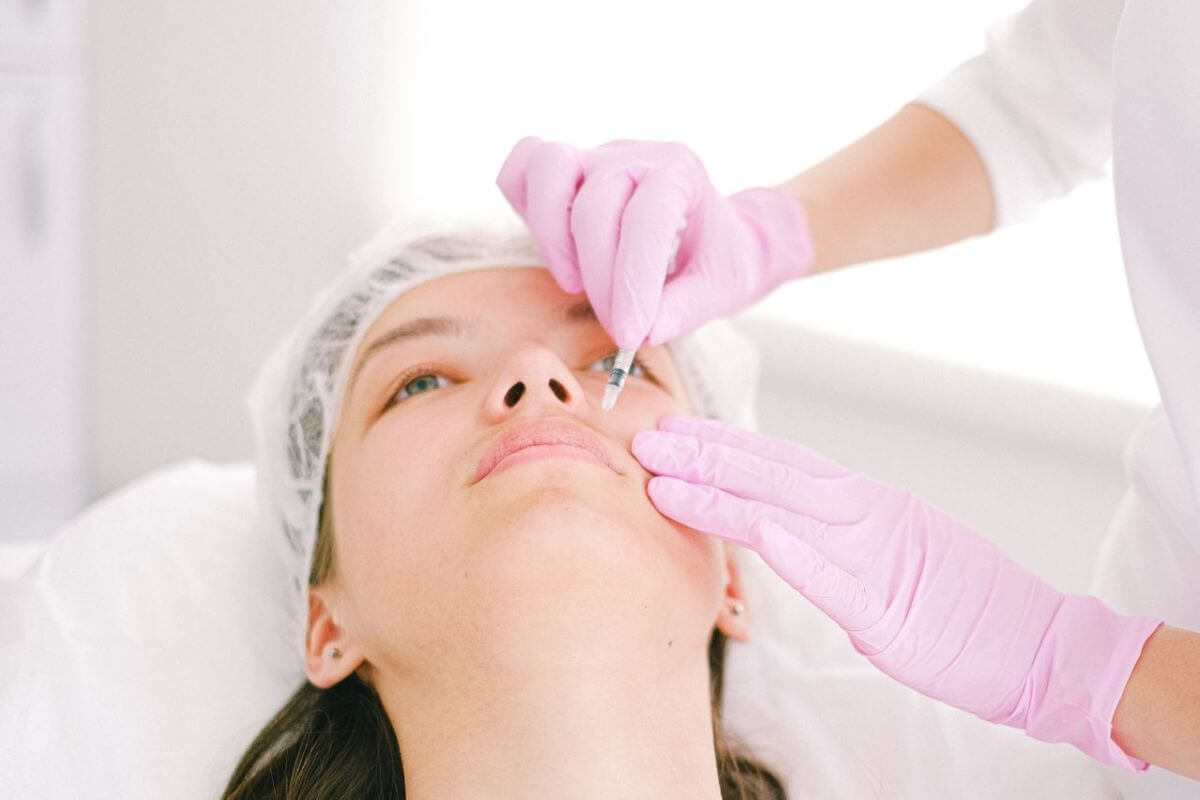
You’ve probably heard both terms mentioned in the same breath — Botox and fillers. Many patients arrive at their first consultation using them interchangeably, as if they were two names for the same treatment. They are not. Although both are minimally invasive injectable procedures performed in a clinic setting, they work in fundamentally different ways, target different concerns, and deliver different results.
This article explains everything you need to know to make an informed decision — or at least to walk into your next consultation with the right questions.
Understanding Botox: Relaxing Muscles to Smooth Expression Lines
Botox is the brand name of a purified form of botulinum toxin type A. When injected in small, controlled doses into specific facial muscles, it temporarily blocks the nerve signals that cause those muscles to contract. The result: the overlying skin smooths out, and expression lines fade.
The key word here is dynamic. Botox works on wrinkles that are caused by repeated facial movements — squinting, frowning, raising your eyebrows. These are called dynamic wrinkles, and they appear and deepen over time with every expression you make.
Most common treatment areas for Botox:
- Forehead lines
- Frown lines between the eyebrows (glabellar lines)
- Crow’s feet around the eyes
- Bunny lines on the nose
- Lip flip (to slightly evert the upper lip)
- Chin dimpling
- Neck bands (platysmal bands)
Results typically appear within 3 to 7 days and last between 3 and 6 months, depending on the patient’s metabolism, muscle mass, and the dose injected. With repeated treatments over time, some patients find that their muscles progressively weaken and results last longer.
What Botox does not do: it does not add volume, fill hollow areas, or recontour the face. If your concern is lost facial volume or deep static lines visible at rest, Botox is not the right tool.
Understanding Fillers: Restoring Volume and Redefining Contours
Dermal fillers are gel-like substances injected beneath the skin to restore lost volume, smooth out deep lines, and reshape facial contours. Unlike Botox, they do not interact with muscles at all — they act purely on the structural level of the skin and subcutaneous tissue.
Several types of fillers exist, each with specific properties:
- Hyaluronic acid (HA) fillers (e.g., Juvederm, Restylane, Belotero): The most widely used. Hyaluronic acid is a substance naturally present in the body, which makes these fillers highly biocompatible. They are reversible — a specific enzyme called hyaluronidase can dissolve them if needed. Results last 6 to 18 months depending on the product and the area treated.
- Calcium hydroxylapatite (e.g., Radiesse): A denser filler, used for deeper volume loss and structural support. Lasts 12 to 18 months.
- Poly-L-lactic acid (e.g., Sculptra): A biostimulator rather than a true filler — it gradually stimulates your body’s own collagen production. Results appear over several weeks and can last up to 2 years.
Most common treatment areas for fillers:
- Nasolabial folds (nose-to-mouth lines)
- Marionette lines
- Lip augmentation and definition
- Cheek augmentation
- Jawline definition
- Under-eye hollows (tear troughs)
- Temple volumization
- Hand rejuvenation
Botox vs. Fillers: A Side-by-Side Comparison
| Botox | Dermal Fillers | |
|---|---|---|
| Mechanism | Relaxes muscles | Adds volume and structure |
| Target concern | Dynamic wrinkles (from movement) | Static wrinkles, volume loss, contour |
| Main areas | Forehead, eye area, glabella | Lips, cheeks, jawline, folds |
| Results onset | 3–7 days | Immediate |
| Duration | 3–6 months | 6 months to 2+ years |
| Reversible? | No (wears off naturally) | HA fillers: yes (with hyaluronidase) |
| Downtime | Minimal (24–48h precautions) | Minimal (possible swelling/bruising) |
| Average cost | Lower per session | Higher, depending on volume used |
Can You Combine Both? The Liquid Facelift Approach
One of the most frequent recommendations practitioners make is to combine Botox and fillers in a single treatment plan. This approach — sometimes called a liquid facelift — addresses both muscle-related wrinkles and volume loss simultaneously, producing a more harmonious and natural-looking result.
A typical combination strategy might look like this:
- Upper face: Botox to smooth forehead lines and crow’s feet
- Mid face: HA fillers to restore cheek volume and soften nasolabial folds
- Lower face: Fillers to define the jawline and add structure; Botox to address chin dimpling or a downturned mouth
The two treatments do not interfere with each other and can generally be performed in the same session. For many patients in their 40s and beyond, combining both is not a luxury — it is simply the most effective way to address the full picture of facial aging.
Which One Is Right for You?
The honest answer is: it depends on your individual anatomy, your age, your skin condition, and what specifically bothers you.
Here are a few guiding questions to help you reflect before your consultation:
Choose Botox if:
- Your main concern is dynamic expression lines (forehead, crow’s feet, frown lines)
- You are in your late 20s or 30s and want preventive treatment
- You want a lower-cost, lower-commitment entry point into aesthetic treatments
Choose fillers if:
- You notice volume loss in your cheeks, temples, or under-eye area
- Your lips have thinned over time or you want more definition
- You have deep static lines that remain visible even when your face is at rest
- You want immediate, visible results
Consider both if:
- You are experiencing a combination of expression wrinkles and volume loss (very common from the age of 40 onwards)
- You want a comprehensive, balanced result
- You are open to a treatment plan that may involve two or three products in the same session
In all cases, the most important step is a thorough consultation with a qualified practitioner. A good injector will assess your face as a whole — not just the area you point at in the mirror — and propose a treatment plan tailored to your anatomy and your goals.
Safety, Risks, and Choosing a Qualified Practitioner
Both Botox and fillers have excellent safety profiles when performed by trained, experienced professionals using certified products. However, as with any medical procedure, risks exist and must be discussed openly.
Common side effects (both treatments):
- Bruising and swelling at the injection site (usually resolves within a few days)
- Temporary redness or tenderness
Specific risks to be aware of:
For Botox: Temporary eyelid drooping (ptosis) if the product migrates — rare, and typically resolves within weeks. Asymmetry if dosing is not well calibrated.
For fillers: The most serious risk is vascular occlusion — the accidental injection of filler into or near a blood vessel, which can compromise circulation to the skin. In very rare cases, this can lead to skin necrosis or, even more rarely, visual complications. This is why choosing an experienced, medically trained injector is absolutely non-negotiable.
Before booking any treatment, ask your practitioner:
- What is your medical background and training in aesthetic medicine?
- What products do you use and are they CE-marked (or FDA-approved)?
- What would you do in the event of a complication?
- Can you show me before-and-after examples of similar cases?
Avoid any provider who cannot answer these questions clearly, who offers unusually low prices without explanation, or who seems to rush the consultation process.
__________
Botox and fillers are complementary, not competing, treatments. Botox relaxes the muscles responsible for expression lines; fillers restore the volume and structure that time gradually takes away. Understanding the difference puts you in control of the conversation with your practitioner — and helps ensure the result you get is the one you actually wanted.
There is no universally « better » option. There is only the right option for your face, your concerns, and your goals at this moment in time.
The best next step? Book a consultation with a certified aesthetic medicine specialist or plastic surgeon. A qualified professional will take the time to assess your face holistically, explain your options clearly, and build a plan that is truly made for you.
This article is intended for informational purposes only and does not constitute medical advice. Always consult a qualified healthcare professional before undergoing any aesthetic procedure.